HURRA TÜRKİYE
Our Learning Approach
At Hurra Türkiye, each lesson is designed as a learning journey that extends from listening to writing. The curriculum, designed according to CEFR standards from A1 to C1, develops four basic language skills in a balanced manner; The student encounters real-life scenarios, practices with interactive activities, and sees his mistakes instantly with artificial intelligence-supported feedback. This approach, built on error typologies specific to the structure of Turkish, transforms learning from memorization into permanent language acquisition.
Start at Your Level
We based our language curriculum on the achievements of the European Language Framework. We have prepared the course contents from easy to difficult according to the physical, cognitive and emotional development of our students. We shaped our curriculum with the philosophy of inquiry.
The starting level for children, teenagers and adults who are learning Turkish for the first time or who want to improve it is determined during the introductory meeting.
Schedule an introductory lesson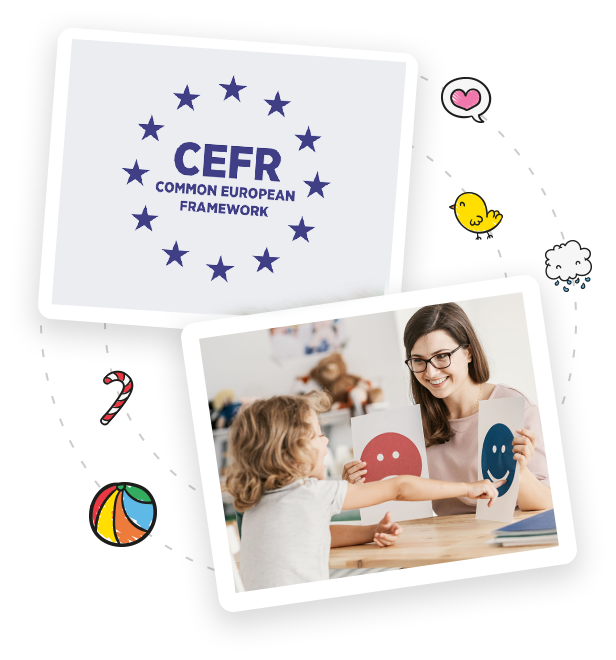
Our Educational Approach
Learning from Easy to Difficult
Our lessons are taught from easy to difficult and with a game-based teaching model in which children are active.Inquiry Approach
We shaped our curriculum with the philosophy of inquiry.Family Participation
We reinforce the learning process with family activities. With these activities, we enable children to communicate with their family or close relatives who speak the language they have learned.Debate Rooms
To reinforce the use of the language they are learning, we enable our students to communicate with their classmates and teachers on their own accounts.Student Tracking System
We follow the development of our students throughout the program and give regular feedback to our parents about the achievements of the lessons and the student's language development level. We report the achievements and future work achieved with the Student Report Card.Self-Assessment Model
We enable our students to self-evaluate throughout the process and increase their awareness of their own development.CEFR Gains
The age and level headings below show sample groupings in the current program. Your starting level is not assigned based solely on your age; It is evaluated during the introductory interview.
4-6 Years Beginner Level Pre A1
Our students use basic expressions regarding greeting, introduction and farewell. Introduces himself or someone else. Communicates with the person speaking slowly and clearly. Participates in learning activities harmoniously within the group by following the instructions.
Our students listen with focus. Gives appropriate answers to simple questions. Recognizes and uses sensory organs, colors, shapes, numbers, family members, parts of the house, common professions, plants, vegetables, fruits, seasons, clothes, games, toys, simple expressions and polite words related to the weather, emotions, illness and means of transportation.
Our students listen with focus. Gives appropriate answers to simple questions. Recognizes and uses sensory organs, colors, shapes, numbers, family members, parts of the house, common professions, plants, vegetables, fruits, seasons, clothes, games, toys, simple expressions and polite words related to the weather, emotions, illness and means of transportation.
6-10 Years Basic Level A1
Our students use basic expressions regarding greeting, introduction, and farewell and participate in mutual conversations. Participates in learning activities harmoniously within the group by following the instructions.
Our students listen effectively. Asks and tells the names of objects and places around him. Establishes dialogues about daily life; Expresses his/her feelings, thoughts and interests in simple sentences. Gives appropriate answers to questions during conversation. Words about her body, professions, school life; Recognizes and uses days, vehicles, modes of transportation, traffic rules, expressions regarding direction and address, expressions expressing date and time, and units of measurement. He writes down the words he listens to, simple and short sentences, and texts (posters, brochures, lists, notes, e-mails, etc.).
Our students listen effectively. Asks and tells the names of objects and places around him. Establishes dialogues about daily life; Expresses his/her feelings, thoughts and interests in simple sentences. Gives appropriate answers to questions during conversation. Words about her body, professions, school life; Recognizes and uses days, vehicles, modes of transportation, traffic rules, expressions regarding direction and address, expressions expressing date and time, and units of measurement. He writes down the words he listens to, simple and short sentences, and texts (posters, brochures, lists, notes, e-mails, etc.).
10-14 Years Basic Level A2
Our students demonstrate the self-confidence to meet different individuals. They follow at least three-stage instructions and participate in learning activities harmoniously within the group. Can communicate with those around him on commonly known topics or activities.
He takes short notes about what he listens to, watches and reads, and determines their subject. Identifies different points of view, repetition, prediction, suggestion, preference, proposal, request, complaint and recommendation expressions in speech and uses them with expression skills (speaking and writing). Recognizes classroom, school equipment, household items, traffic signs, sports types and equipment, diseases, cleaning and nutrition routines, environment, calendar, hours, parts of the day. Sentences, paragraphs and daily texts based on visuals; Writes announcements, advertisements and biographies.
He takes short notes about what he listens to, watches and reads, and determines their subject. Identifies different points of view, repetition, prediction, suggestion, preference, proposal, request, complaint and recommendation expressions in speech and uses them with expression skills (speaking and writing). Recognizes classroom, school equipment, household items, traffic signs, sports types and equipment, diseases, cleaning and nutrition routines, environment, calendar, hours, parts of the day. Sentences, paragraphs and daily texts based on visuals; Writes announcements, advertisements and biographies.
14-16 Years Intermediate B1
Our students participate in individual and group activities appropriate to their age level and developmental characteristics, where they can improve their linguistic skills. They can understand the main topics related to work, school and daily life and give coherent explanations when using clear and common language.
Our students summarize what they listen, watch and read. It determines their subject and main idea. He establishes a dialogue about daily life and uses idioms and figurative expressions in his speeches. Expresses himself/herself clearly and explains his/her expectations when faced with a problem in daily life. Can outline a past event. Can give brief information about a subject, idea or event. He writes letters, essays, narrative, descriptive articles, travel writings and petitions.
Our students summarize what they listen, watch and read. It determines their subject and main idea. He establishes a dialogue about daily life and uses idioms and figurative expressions in his speeches. Expresses himself/herself clearly and explains his/her expectations when faced with a problem in daily life. Can outline a past event. Can give brief information about a subject, idea or event. He writes letters, essays, narrative, descriptive articles, travel writings and petitions.
16-18 Years Intermediate B2
Our students utilize the linguistic skills they have developed and participate in individual and group activities appropriate to their interests and needs. Can easily communicate with people who use the language they have learned, in a natural conversation process
Our students sort what they listen to and watch according to the flow of time and make inferences from it. He plans his speeches based on a topic or idea, speaks fluently, and makes impromptu speeches. It determines the implicit messages and text types in the texts. Understands the essence of concrete or abstract topics in technical subjects that require expertise or in a complex text. Writes CVs, business letters, news and advertising texts.
Our students sort what they listen to and watch according to the flow of time and make inferences from it. He plans his speeches based on a topic or idea, speaks fluently, and makes impromptu speeches. It determines the implicit messages and text types in the texts. Understands the essence of concrete or abstract topics in technical subjects that require expertise or in a complex text. Writes CVs, business letters, news and advertising texts.
18+ Age Advanced C1
Our students use the linguistic skills they have developed and participate in individual and group activities appropriate to their interests and needs. Conversates naturally, fluently and easily with native Turkish speakers, in a natural conversation process.
Our students comprehend and use formal and academic expressions that they listen to, watch and read. Follows and implements instructions. Determines the content characteristics of narrative texts. Reads comprehensive, technical and long texts and understands implicit expressions. They express themselves by using language flexibly and effectively on complex issues in social, business and academic life. Writes scientific texts and project texts.
Our students comprehend and use formal and academic expressions that they listen to, watch and read. Follows and implements instructions. Determines the content characteristics of narrative texts. Reads comprehensive, technical and long texts and understands implicit expressions. They express themselves by using language flexibly and effectively on complex issues in social, business and academic life. Writes scientific texts and project texts.
Say Hello to Learning Turkish.
Let's evaluate your level and goals together in the introductory lesson.
 Free trial lesson