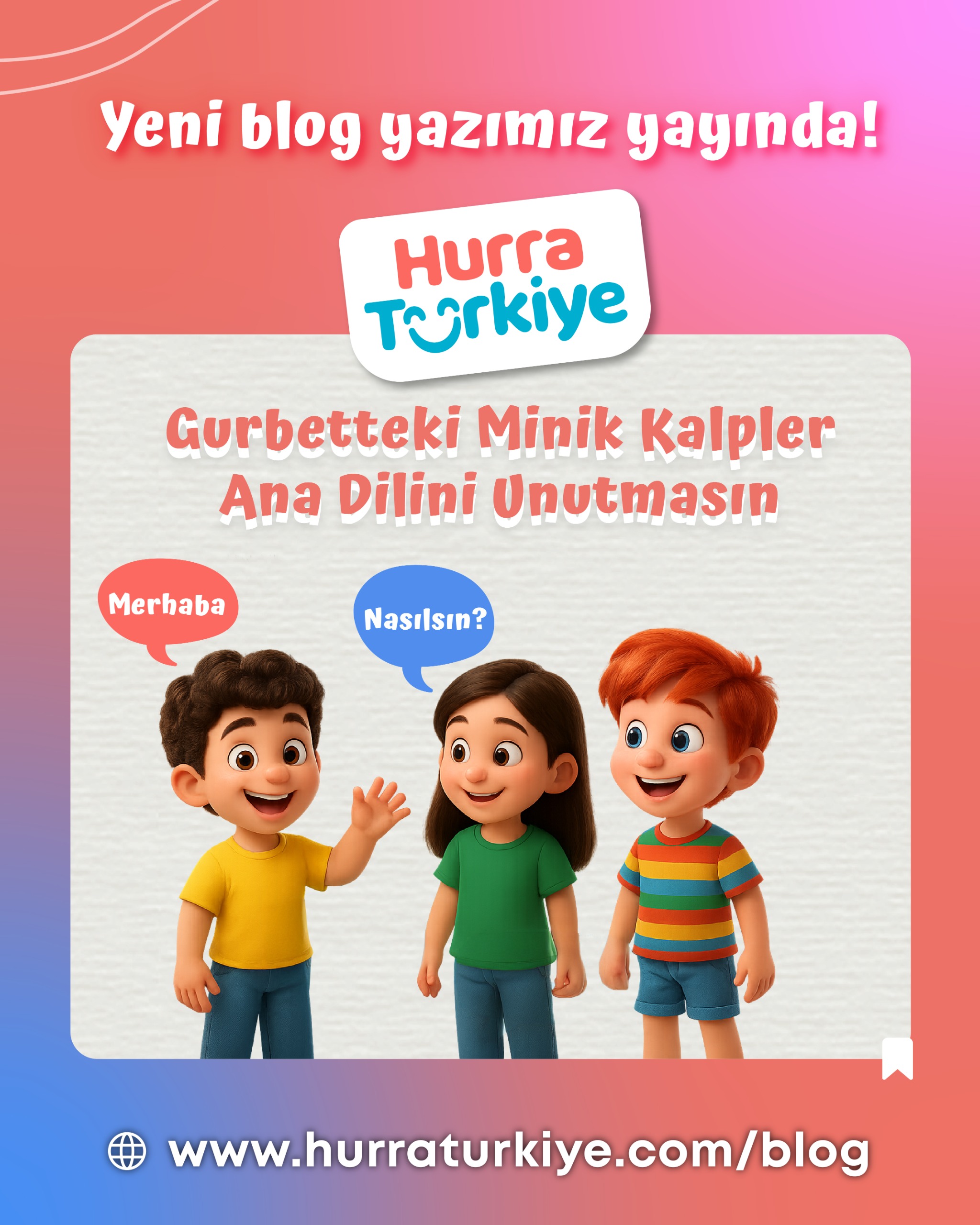
Don't Let Little Hearts Abroad Forget Their Mother Tongue: Ways to Teach Turkish to Your Child Abroad
“Mom, can I have water?” instead of “Mummy, can I have water?” That moment when you hear the sentence... This is a moment that many Turkish families living abroad are familiar with and that contains both pride and slight bitterness. While it is a wonderful development for our children to quickly adapt to the language of the country they live in, the concern that they will move away from their native language, Turkish, always remains in a corner of our hearts.
So, is this a destiny? Of course not! Teaching your child Turkish and making him love it does not have to be as difficult a process as it seems. On the contrary, this process can turn into a unique journey where you will establish even stronger ties with your roots and culture. As Hurra Türkiye, we have brought together practical and effective methods that will guide you on this journey.
Why Is It So Important? A Treasure Beyond Your Mother Tongue
Teaching Turkish is not just teaching a new language. This is giving your child a part of his identity, a culture and a big family.
- Family Ties and Cultural Identity: A child who understands the tale told by his grandfather, the secret of the meal his grandmother cooks, or the joy of holiday mornings, establishes a deeper bond with his family and roots. Language is the carrier of culture.
- Cognitive Advantages of Being Bilingual: Scientific research shows that bilingual children have more developed cognitive skills such as problem solving, creative thinking and focus. By teaching Turkish to your child, you will give him a great advantage in his academic and social life.
- An Investment for the Future: An individual who speaks his native language well has the chance to open more doors in the future, both career and personal.
“But My Child Doesn't Want to Speak Turkish!” – Common Challenges and Solutions
“I ask in Turkish, he answers in English/German/French.” If this situation sounds familiar to you, you are not alone. It is very natural for children to prefer the dominant language to which they are constantly exposed at school and in the social environment.
- Solution 1: Encouragement Instead of Pressure: “Speak Turkish!” Instead of forcing it, make Turkish attractive. When he doesn't understand, explain with patience and love. “Well done, you sang Turkish so beautifully!” Positive reinforcements such as this will motivate him.
- Solution 2: “Turkish Day/Time” Rule: You can declare a specific day of the week or a specific time each day (e.g. dinner time) as “Turkish Speaking Time”. Make this a fun family activity rather than a rule.
- Solution 3: Normalize Language Mixing: Your child's code-switching is not a failure, it is a natural way the bilingual brain works. Instead of constantly correcting him, you can be a model by repeating the correct sentence.
7 Golden Rules That Will Make Turkish Winds Blow at Home
- Let Turkish be the language of the home: This is the most basic rule. As parents, you become the strongest role model by speaking Turkish consistently among yourself and with your child.
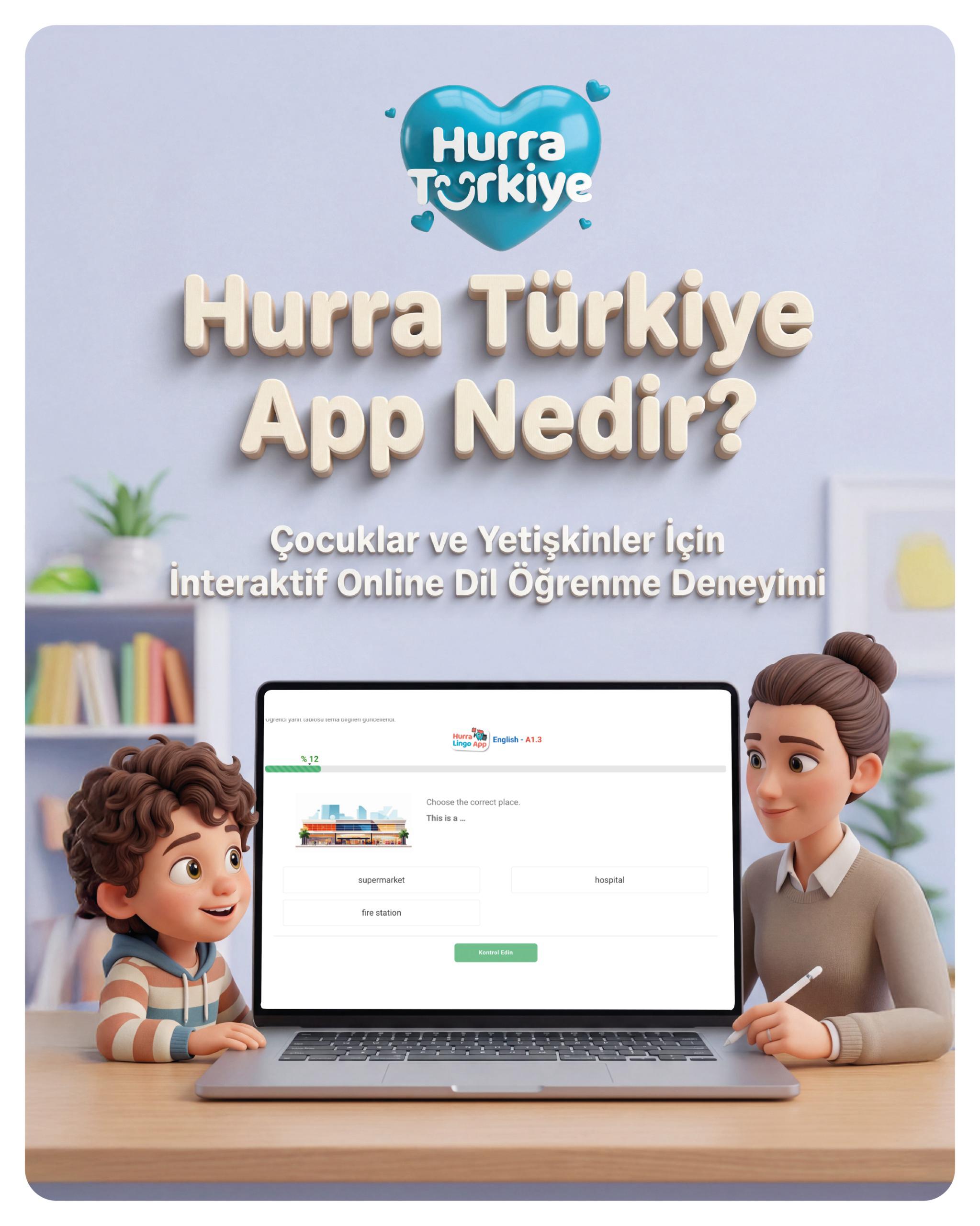
- Use Technology to Your Advantage: Incorporate channels such as TRT Çocuk, Turkish cartoons, educational mobile applications and audio books into your life. Video calls with distant relatives provide great practice.
- Create Book Reading Rituals: Reading a Turkish story every night before going to bed supports language development and strengthens the bond between you. Create a library full of books suitable for the age group you will bring from Turkey.
- Never Underestimate the Power of Play: Word games, classic Turkish games such as “name-city”, “hot-cold” or speaking completely in Turkish even while just playing house make learning fun.
- Mutfak is the Most Delicious Language School: When making Turkish dishes together, explain the names of the ingredients and the steps of the recipe in Turkish. Sentences such as "Can you pass the salt?", "We are kneading now" are the most natural forms of daily language.
- Socialize, Create Turkish-Speaking Circles: Get together with other Turkish families around you and create play groups where children can speak Turkish among themselves. This allows your child to see that Turkish is not just the “home language”.
- Turn Türkiye Visits into Opportunities: Visits to Turkey during summer holidays are the most intense and effective courses for your child to improve his language. Games played with cousins, ice cream bought from the grocery store, conversations with relatives... All of them are invaluable language lessons.
Conclusion: You Are Not Alone on This Journey
Teaching your child's native language abroad is a marathon that requires patience and consistency. Sometimes you may feel tired or unable to make progress. But remember, every step you take, every seed you plant is a priceless investment for your child's future and identity.
Meta Description (paste it into the “meta description” section in plugins such as Yoast SEO, Rank Math): Guide for Turkish families living abroad: Make your child's learning Turkish fun and permanent. The advantages of being bilingual and practical methods you can apply at home are on Hurra Türkiye!



 Free trial lesson